Plan garment quantities by size and distribution rule, and plan tote bags separately by their intended use. Before requesting a production quotation, identify the audience, approved artwork, usable existing stock, delivery location and event deadline. A total attendance estimate alone does not determine the right order.
For U.S. promotional products distributors serving campus events, this approach helps separate a creative merchandise idea from a purchase brief that suppliers can evaluate.
PPAI published a November 18, 2026 report about Pacific Lutheran University's award-recognized Lute/Loot Week campaign. The account describes merchandise including T-shirts and tote bags, as well as reuse of items left from previous years. The campaign itself has a longer history; the report date is not its launch date. Read the PPAI report.
That example provides context, not a purchasing formula. The planning recommendations below are editorial guidance, not a description of the university's procurement process or evidence that it is seeking a supplier.
How do you turn an audience estimate into a quantity brief?
Start with who can receive each item and how distribution will work. Record whether everyone receives the same bundle, whether recipients choose an item, and whether staff or volunteers need a separate allocation. Ask the event organizer to approve these assumptions before requesting firm quantities.
Do not apply one total automatically to every product. If a bag is intended to carry a shirt and other materials, record that use. If bags and shirts are separate giveaways, track their quantities separately. Keep confirmed allocations distinct from a proposed reserve; the organizer should decide whether a reserve is appropriate and who approves its cost.
| Decision | Information to request | What remains to be approved |
|---|---|---|
| Eligible recipients | Audience and distribution rule | Whether each recipient receives every item |
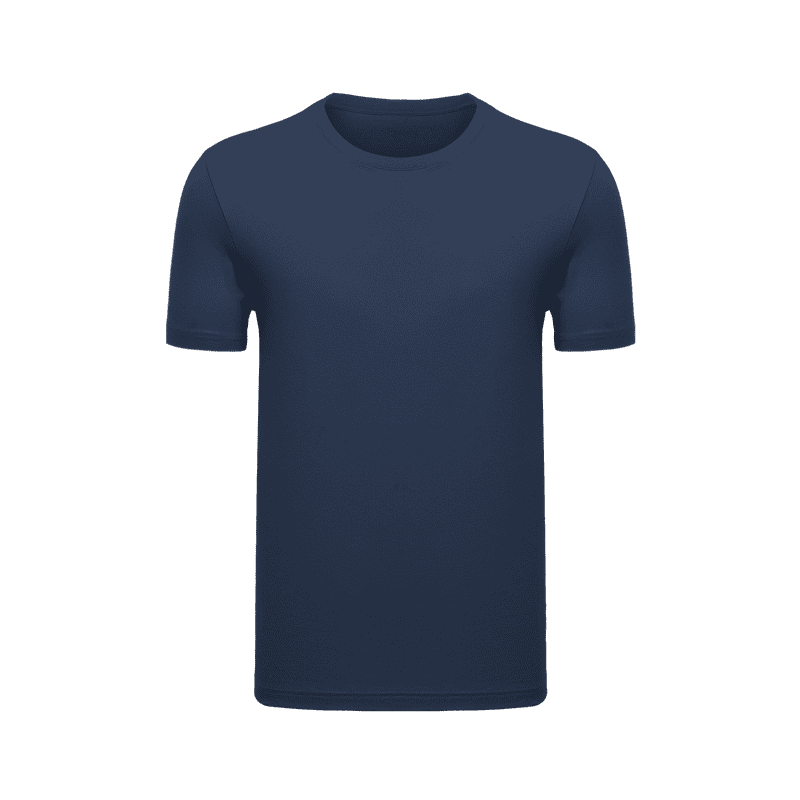
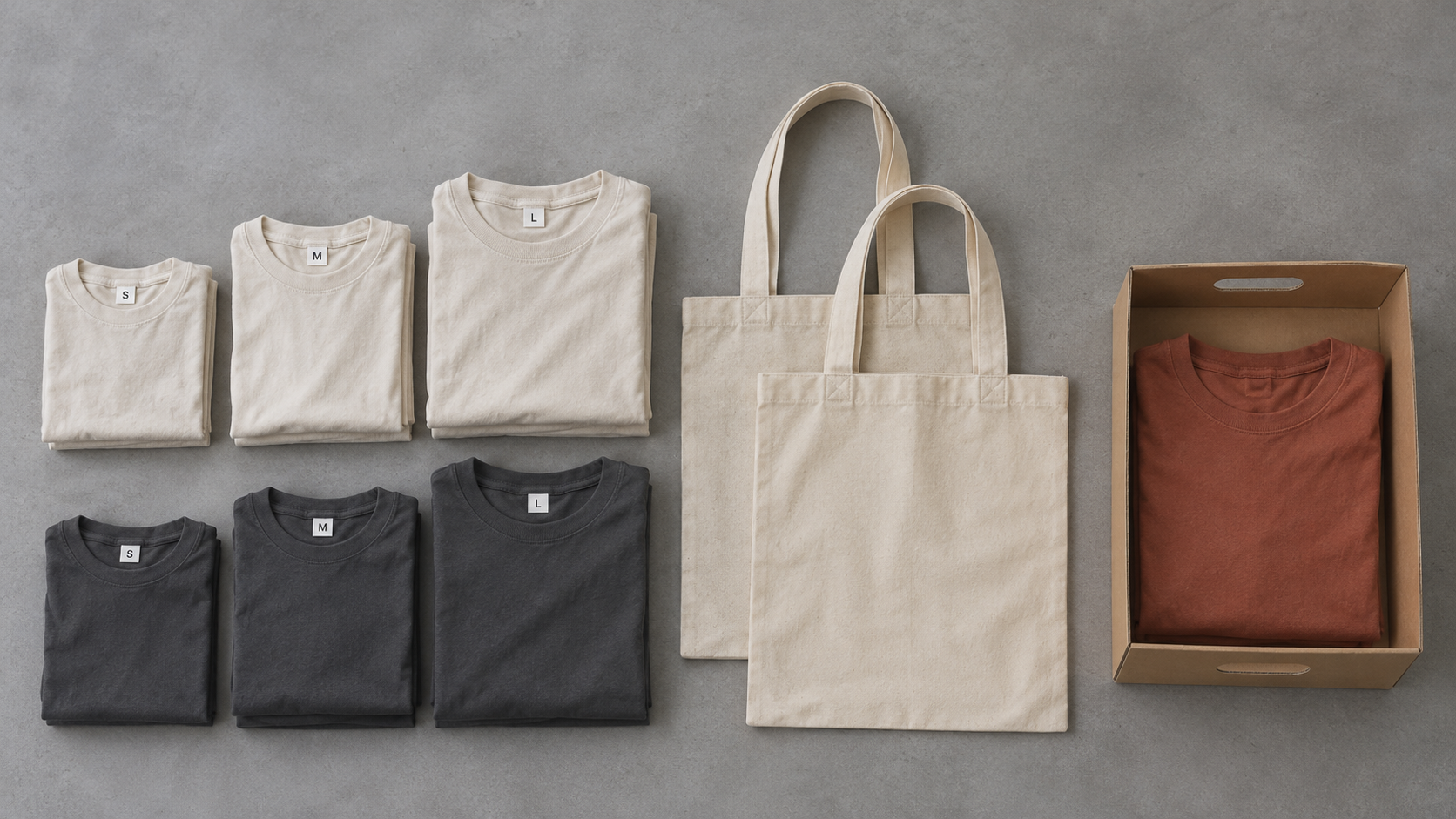
| T-shirt allocation | Quantity by color and size | Outstanding size selections |
| Tote bag allocation | Intended use and required dimensions | Whether contents fit the proposed bag |
| Existing stock | Count by item, condition, size and artwork version | Whether it can be used for this event |
| Reserve | Reason for additional units | Budget and ownership of leftovers |
How should you manage T-shirt sizes without inventing a size split?
Use recipient selections where available and confirm which garment measurement chart those selections refer to. A letter size is not a complete fit specification. Ask the supplier for the proposed style's measurements and identify whether any sample review is needed before the organizer finalizes the breakdown.
When sizes are still unknown, label the request provisional. Do not present a generic percentage split as proven suitable for a campus audience. Record when the size list must be confirmed and ask the supplier how later changes would affect the quotation and schedule.
A tote bag does not need a garment size split, but it still needs dimensions and a purpose. Confirm the intended contents, handle arrangement, decoration area and any required performance evidence. A photograph alone does not establish capacity or load suitability.
What must be approved before samples and delivery are scheduled?
Confirm the artwork file, placement, dimensions, colors and approval owner for each item. Ask the customer to confirm permission to use campus names, logos or other protected artwork. An event news photograph is not permission to reproduce its design.
Keep sample approval and production review as separate decisions. Define what the sample is intended to show, such as appearance, fit or logo placement, and agree how the approved version will be identified. Do not assume that approval of a shirt also approves a bag's color or decoration.
Work back from the required arrival date with the supplier. Record the venue address, receiving contact, available receiving hours and any restrictions on early delivery. Ask for the assumptions behind the proposed schedule; this guide does not promise a fixed production or transit period.
How can a leftover-stock plan improve the brief?
Inspect and count usable stock before deciding whether it belongs in the current allocation. Check the artwork version, condition, sizes and any dated messaging. Keep the organizer's decision about reuse with the brief so a different team does not accidentally order against stock that was already assigned elsewhere.
Assign an owner for any new leftovers and a place to record the final count. Reuse may be a practical option, but this article does not claim a quantified environmental benefit or that merchandise causes improved student retention.
GALLERY supports custom apparel and sourcing coordination from Ningbo, China. For an initial garment discussion, explore the custom T-shirts category and prepare a custom apparel RFQ. These are category and planning resources, not proof of an exact model, current stock or a certification. Tote requirements can be recorded for project assessment without claiming an existing verified product listing.
Next step: send GALLERY your project brief with the garment category, quantities and size status, proposed bag contents, artwork approval status, destination and required arrival date. Identify which decisions are confirmed and ask what is still needed for a comparable quotation.
Frequently asked questions
Can we request pricing while recipient sizes are still being collected?
Request indicative pricing with the size breakdown explicitly marked provisional. Ask which assumptions apply and when final sizes are required before relying on the quotation for an order.
Should every attendee automatically receive one shirt and one bag?
Only if the organizer approves that distribution rule. Record whether the items form a bundle or are distributed separately before calculating quantities.
Can a photo of a previous giveaway serve as the full specification?
Use it as an appearance reference. Add dimensions, materials, decoration requirements and intended use, and separately confirm rights to any visible artwork.
What if older stock uses a previous campus logo?
Separate it from the new allocation and ask the customer's authorized reviewer whether reuse is acceptable. Do not treat physical availability as approval to use outdated branding.
Prepared November 23, 2026. The cited award report is external context; the checklist and FAQ are editorial recommendations, not customer interviews or GALLERY case claims.