S, M or XL is not a complete measurement specification. Select a fit reference and agree how the actual garment will be measured before distributing quantities.
List the measurement points
Identify the required body length, chest or width, sleeve and any style-specific measurements. State the measuring method and tolerance rather than copying a chart from another garment.
Allocate sizes
Use the intended wearer group and relevant approved reference. Distinguish a shared unisex style from separate fits and check which sizes the selected source can actually supply.
Keep the approved version
Record chart revision, sample size, date and buyer approval. Review any pattern or material change before assuming the earlier fit still applies.
Continue your procurement review
Related products
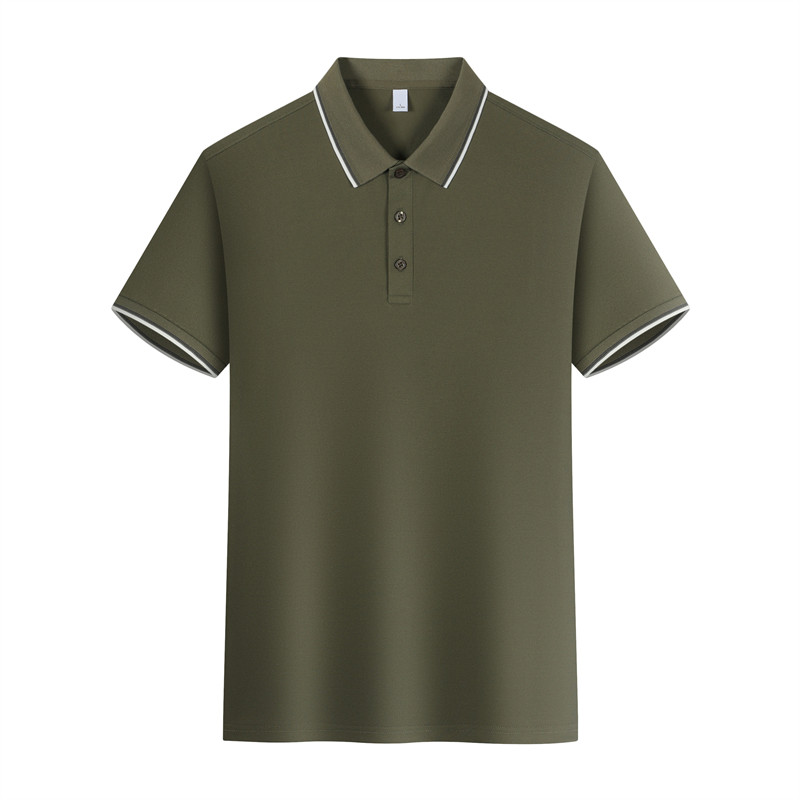
Custom Polo Shirts
Custom polo shirts for staff uniforms, hospitality and branded merchandise. Compare sleeve lengths, collar details and fabrics, then share your logo and team size breakdown.
Explore styles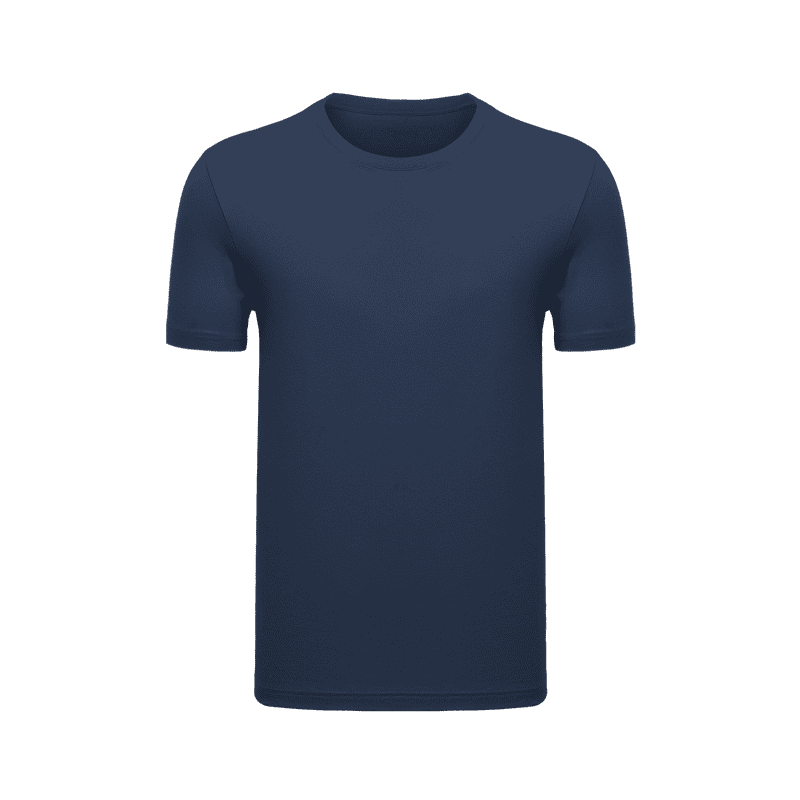
Custom T-Shirts
Custom T-shirts for events, teamwear and brand merchandise. Choose the neckline, fit and fabric weight to suit your audience, then send your artwork and quantities.
Explore styles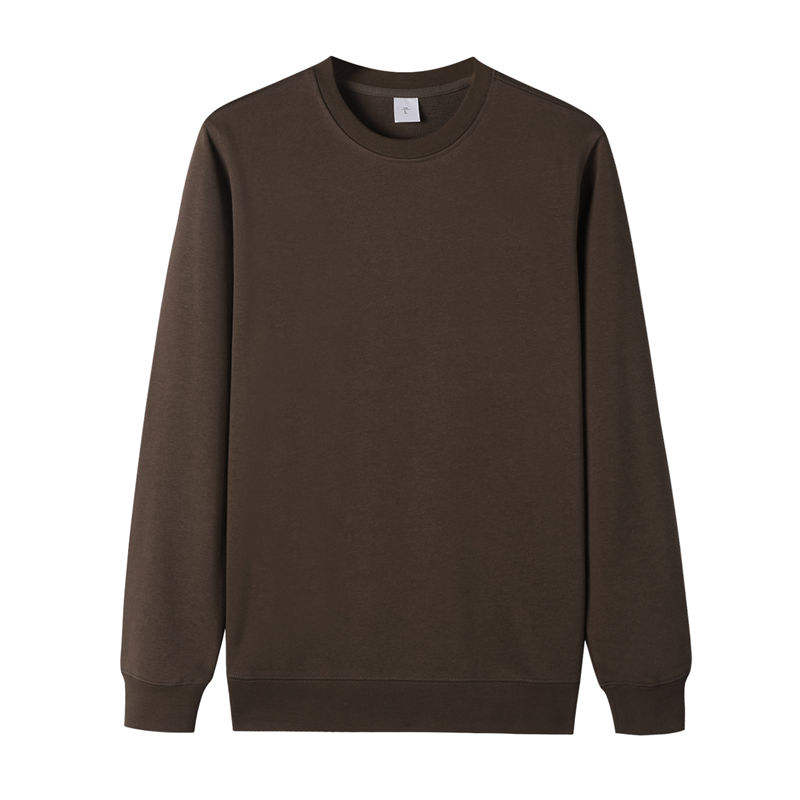
Hoodies & Sweatshirts
Custom hoodies and sweatshirts for team layers and merchandise collections. Compare crewneck, pullover and zip styles, then define your fit, fabric and branding requirements.
Explore styles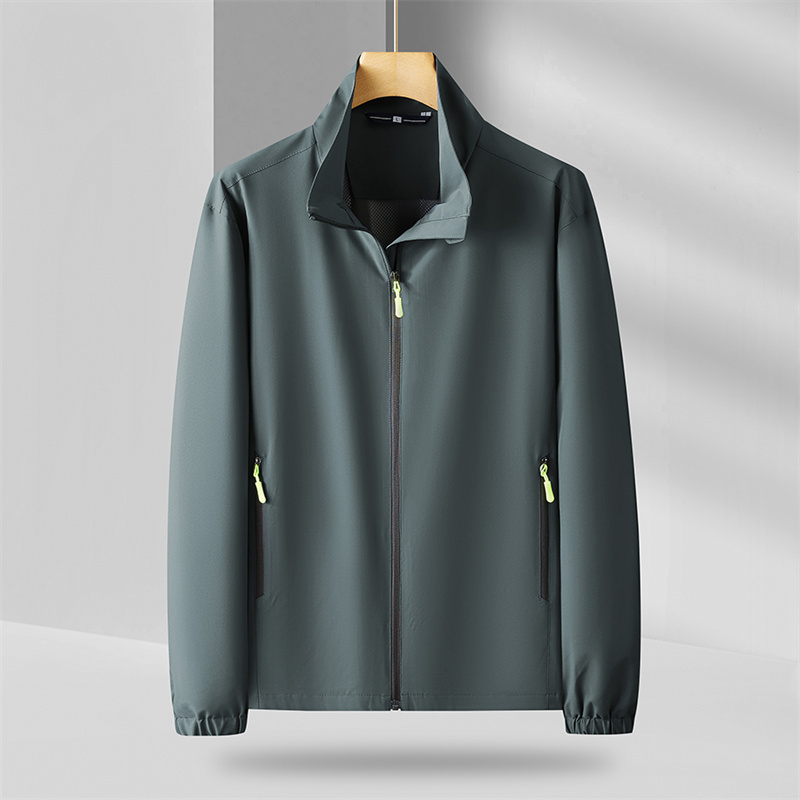
Custom Jackets
Custom jackets for staff teams, events and branded collections. Compare layers, closures and panel details, then tell us your wearing conditions and required fabric functions.
Explore styles